00:00
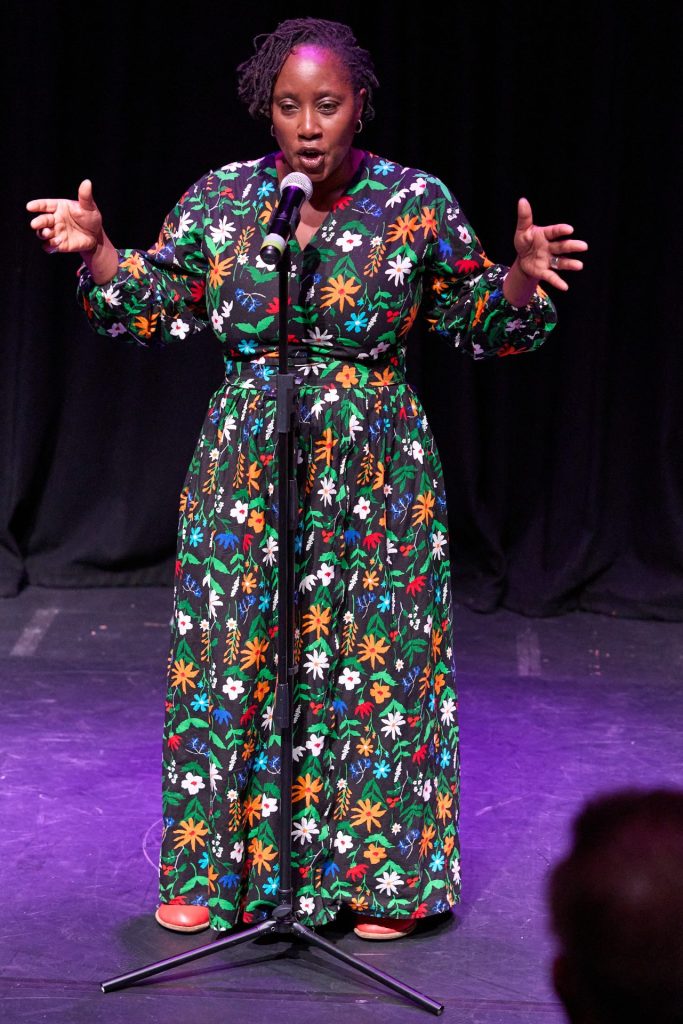
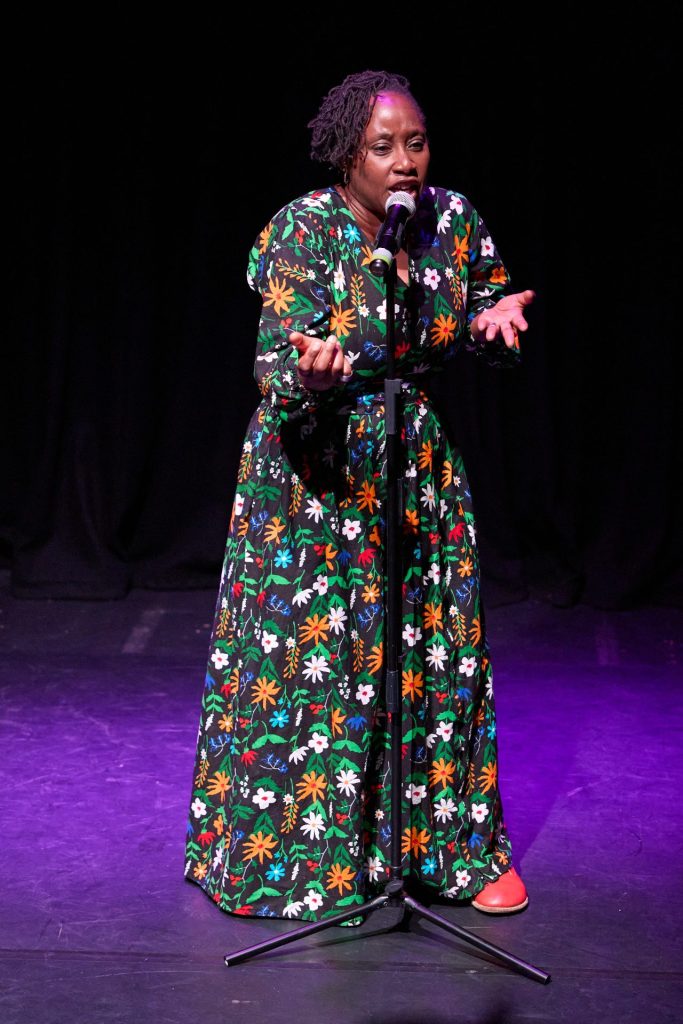
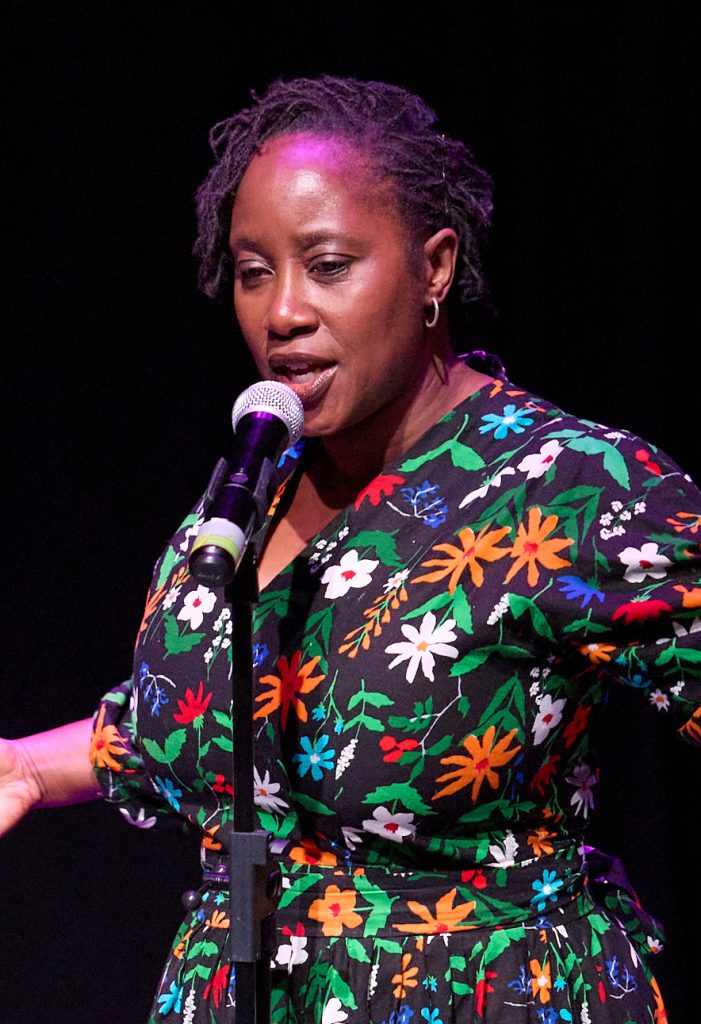
ÌRUN Ìrun kò ní kún kí abẹ́ má lè gé. A person’s hair cannot be so bushy that a blade won’t cut it. I’m going to say that again to make sure that you’ve heard me. Ìrun kò ní kún kí abẹ́ má lè gé. A person’s hair cannot be so bushy that the blade won’t cut it.
00:27
A forgotten land in ancient times sat on the edge of the world. Its society was based on hair. Strand by strand, hair told the story of a life: rich man, poor man, bureaucrat, artisan. Styles were fabulous: two foot wide, four foot high and six foot long. Architecture resembled the over, under and through of a plait. A peaceful place.
00:57
There was one rule. A taboo. Hair was not to be touched or cut by anyone other than the Abe—the barbers. Holy people. The rule was known by all and religiously kept: Look, but don’t touch and definitely, without question, don’t cut.
01:20
But there is always one: The Traveller. He had bartered across lands and haggled over seas. Realising that he had not yet imposed himself on this land, he arrived. He was greeted with courtesy and excitement. A new head of hair was a rare thing indeed. The Traveller was told immediately of the land’s unbreakable law: Look, but don’t touch and definitely, without question, don’t cut
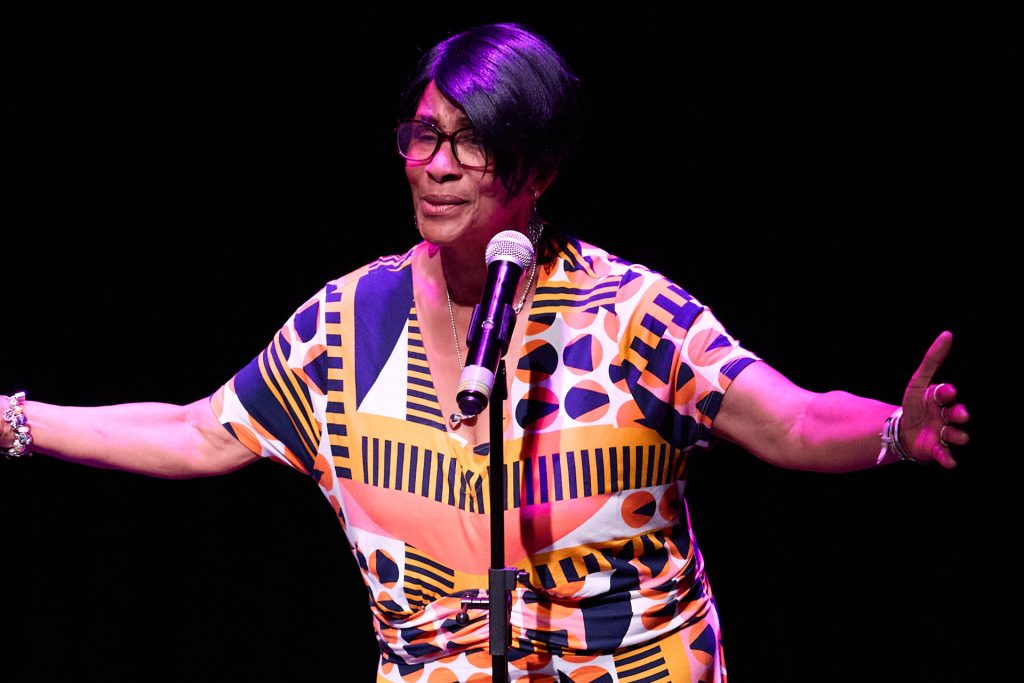
- Storyteller
- Olu Oke
- Recording date
- 24 Jul 2026
- Location / community
- London
- Duration
- 10:07
- Card label / subtitle
- A tale of consequence, responsibility and restoration
- Themes
- Elders & Wisdom, Morals & Lessons
- Language / dialect
- English, Yoruba
- Cultural / community context
The story opens and closes with the Yoruba proverb:
Ìrun kò ní kún kí abẹ́ má lè gé.
“A person’s hair cannot be so bushy that a blade cannot cut it.”
The story combines English narration with Yoruba words and phrases. Hair represents identity, memory, knowledge and cultural inheritance. The traveller’s actions explore acquisition, exploitation and the consequences of taking something without understanding or permission.
Other Yoruba words heard or referenced include abẹ́ (blade/razor), wàhálà (trouble), dúró (stop), ẹ káàbọ̀ (welcome) and kí ló ń ṣẹlẹ̀? or a related expression meaning “What is happening?”
The accented Yoruba spellings should ideally be confirmed by Olu before publication, particularly where the performance uses character voices or colloquial pronunciation.
- Archive permission
- Consent given by Olu Oke
10 Sep 2026, 10:54